Why short brandables still win
A practical case for a compact name, and the conditions that make it worth choosing.
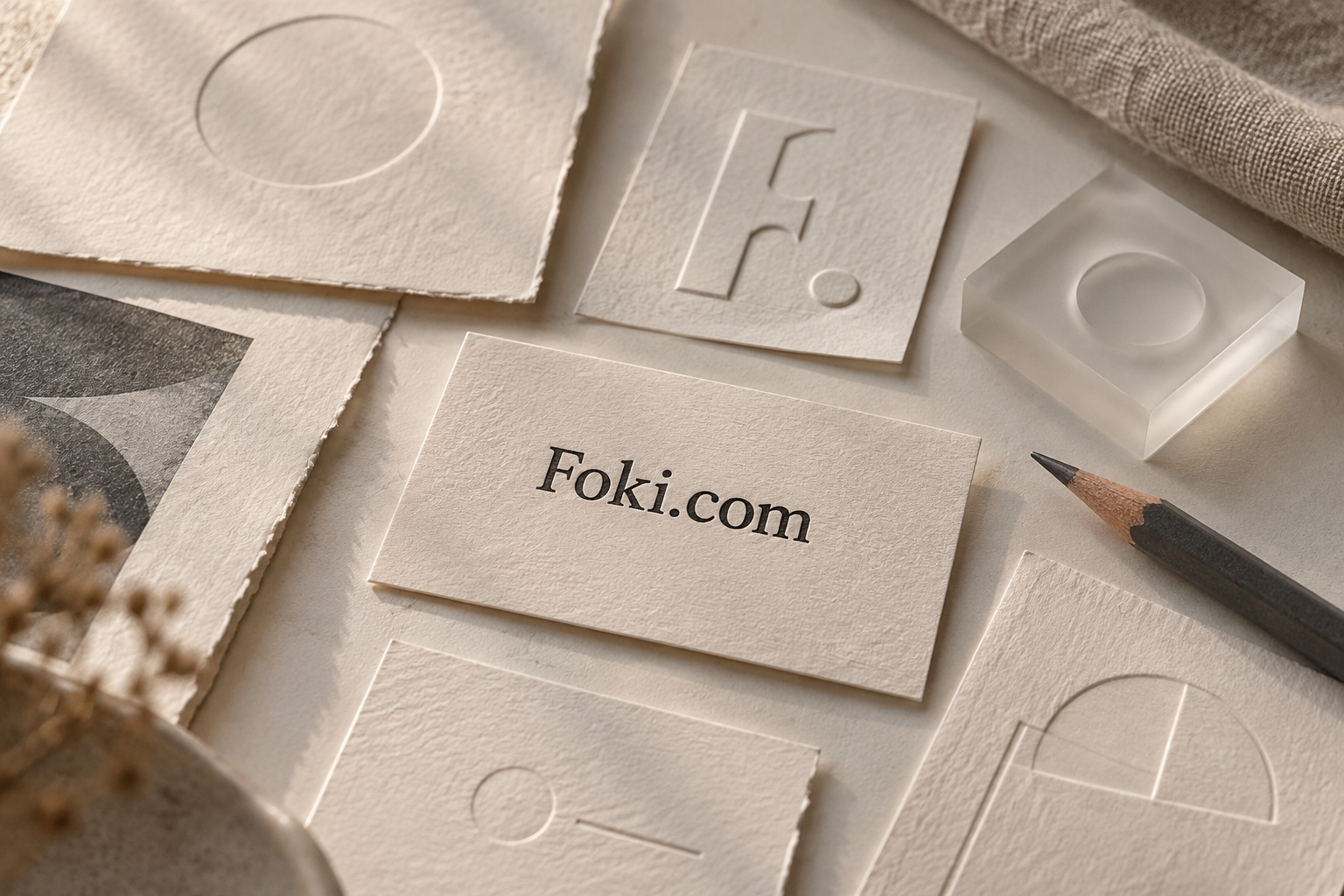
Short is useful when it makes the work easier
A short invented name can earn its place through very ordinary encounters. It sits on a small label without dominating it. It fits into a spoken introduction. It gives a product team a stable word to use while the product itself changes. Those are practical advantages to test, rather than evidence that the shortest candidate must always be the best one.
The useful advantage is a name that travels comfortably from one everyday setting to another, carrying the same identity with it. A compact mark is worth considering when it helps the business communicate consistently. It still needs to sound appropriate, survive spelling tests, and fit the actual audience. A longer name that does those jobs well can be the stronger choice for a particular business.
Begin with the places the name will appear
Before comparing candidates, list six places the chosen name will live. For a consumer product, that might mean an app icon label, an invitation, a receipt, a support message, a social profile, and the website address. For a physical goods label, replace the app example with packaging or a care tag. Use your real business, not an imaginary ideal presentation.
Now place each candidate in those contexts using plain type. Resist commissioning elaborate logos for every option. A beautiful treatment can disguise a name that is awkward in a routine email. This first pass asks whether the words themselves can do the job. Save the visual identity work for the candidates that remain useful after the decoration is removed.
Distinguish compactness from compression
A short name is not automatically easy. Removing vowels or compressing several words into initials can make a mark smaller while increasing the amount of explanation it needs. Count the effort required to say, hear, and write the name alongside the number of characters. A candidate that needs a spelling lesson in every introduction may be compact only on paper.
Try a direct comparison. Say each name in the same sentence, at a normal pace, then ask another person to write it. Give them no hints about unusual letters. The purpose is not to stage a contest that your favorite wins. You want to discover whether a small change in spelling produces a large change in confusion. Record what happened before discussing preferences.
Give an invented word a clear companion sentence
An invented name does not arrive with a complete category explanation. That can be useful for a business expecting to expand, but the first customer still deserves a clear introduction. Pair the mark with a short description of the current offer. A house name might remain stable while the sentence beneath it changes as the range becomes more focused.
For example, a hypothetical app house could use a compact mark followed by “Shared lists for weekend plans.” The name identifies the source; the description explains the task. If the business later offers another product, it can write a different description without rewriting its identity. The freedom comes from a sensible division of responsibilities, not from asking a customer to guess what an unfamiliar word means.
Look for the repetition your team can sustain
Names gain meaning through repeated, consistent use. Consider how the team will write the chosen mark in documents, accounts, invoices, and introductions. Will everyone use the same capitalization? Does the address require an added word that people routinely forget? A short candidate with a straightforward written form can reduce the number of competing versions you have to manage.
Create a tiny usage sheet before making the decision. Include the name, the address, a sample introduction, and a rule for product titles. If the sheet requires several exceptions, investigate why. Some exceptions are reasonable, especially across languages. Others indicate that the name is fighting the business's everyday communication instead of supporting it.
Make room for a changing offer
A descriptive name can work well when the category is stable and central to the business. An invented house mark may be useful when the first offer is only one part of the plan. The important question is how much change is plausible, not how many industries could theoretically use the word. A distant possibility should not outweigh a confusing launch.
Sketch the next two offers the team might realistically introduce. Put them beneath the candidate house name with descriptive labels. Do they feel like related products from one source? If the connection depends on a long explanation, a broad name alone will not create coherence. The products still need a shared audience, purpose, or recognizable approach that makes the relationship worth understanding.
Check the limits before becoming attached
A domain and a brand decision involve different questions. Finding an address that matches a candidate does not settle whether that name is appropriate for a particular category or market. ICANN's explanation of domain-related trademark issues is a reminder to treat rights questions separately from the appeal of an address.
Make the review proportionate to the intended use and involve qualified help where needed. Also test cultural associations and pronunciation with people in the actual audience. An unfamiliar word to one person may be familiar to another. The useful outcome is a decision with known questions and a plan to resolve them, rather than a claim that a neat-looking name is universally clear.
Compare candidates with a small decision sheet
Use four columns: everyday use, spoken clarity, room for the offer, and unresolved concerns. Write observations in each column. “Fit on the label at the planned size” is more useful than “premium.” “Three listeners chose the same spelling” is more useful than “memorable.” Keep preference in the discussion, but distinguish it from what you observed.
Add one final row for the address. Check whether people can move from hearing the brand to finding the intended site. Do not assign invented revenue values to a cleaner URL. If a mismatch creates regular confusion, describe that situation in concrete terms. This lets the team discuss the practical value of an exact match without pretending to have measured a financial return.
Make a choice you can explain next month
A good naming decision should remain understandable after the excitement of selection has passed. Write a short note explaining why the chosen candidate suits the customer and the offer, where it performed well, and what still needs attention. Keep rejected options with their reasons so the same debate does not restart every time someone sees another attractive word.
The next step is simple: choose one candidate and use it in a spoken sentence today. Ask someone to repeat the address, then look at it in a plain support message. A short brandable earns confidence when it holds up in these small moments. The logo can follow. The useful question is whether the name gives a real business a clear, consistent place to begin.